Warehouse RFID and Barcode Tracking That Holds Up in the Real World
If your team has ever spent an hour looking for something the system says is “in stock,” you already know the biggest warehouse tracking problem.
It is not effort, it is visibility.
In many warehouses, small process gaps create big downstream issues. A pallet gets staged “for a minute.” A carton is placed on the nearest open shelf. A return is set aside to deal with later. Those moments are where inventory accuracy starts to slip, and once it slips, the result is familiar: mispicks, stockouts, overages, and wasted time.
A practical warehouse tracking system closes those gaps by tying items to clear identifiers, tying identifiers to locations, and keeping that information current as goods move.
What “Warehouse Tracking” Really Means
Warehouse tracking is more than identifying an item. It is knowing the item’s location and status as it moves through receiving, storage, picking, and shipping.
A warehouse can be “accurate” on paper at the SKU level and still struggle operationally if people cannot reliably locate product when they need it.v
Barcode vs RFID: You Can Use Both
Many teams assume they must pick a single method and commit forever. In reality, warehouses often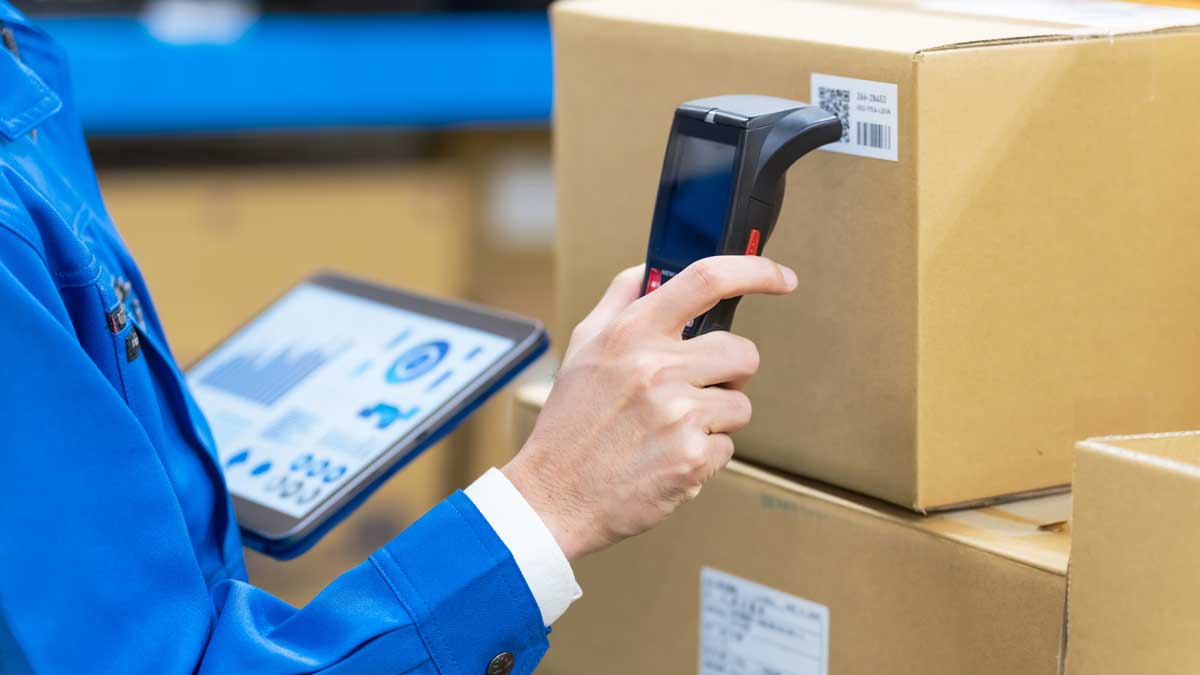 use both.
Barcode tracking can be a strong baseline for many item types. RFID can add speed and visibility where it matters most, especially for higher-value items, high-volume workflows, and situations where finding missing inventory quickly is a priority.
The best approach is the one that fits your operation and can scale over time.
Start With Labels That Are Tied to Real Data
Warehouse tracking breaks down fast when labels are inconsistent or disconnected from item records.
A strong tracking workflow starts with label creation that is directly tied to your database. This may include barcode labels, RFID labels, and serialized labels that match the exact item records in your system. For bulk inventory, it also means handling quantity changes cleanly through controlled increment and decrement activity.
When labels and item records stay aligned, everything downstream becomes easier.
Location Controls That Prevent “Phantom Inventory”
One of the most common causes of inaccurate inventory is simple: product moves, but the location does not get recorded correctly.
Better tracking depends on scanning location markers like shelves, bins, and pallet positions, then scanning goods at the moment they are placed into storage. When the scan happens in the flow of work, location accuracy becomes the norm, not an extra chore.
That is how you move from “it should be somewhere over there” to “it is right here.”
Receiving and Forwarding That Matches What the Paperwork Says
Inventory issues often start at the dock.
If receipts do not match purchase orders or shipping documents, your system can show product that was never fully received or was received incorrectly. Tracking works best when it aligns warehouse activity with backend data, including WMS and ERP records, so teams can validate what arrived and keep movement tied to the right transactions.
Inventory Counts That Do Not Disrupt the Whole Operation
Cycle counts and audits are necessary, but they should not feel like a full operational shutdown.
A better approach supports efficient inventory reconciliation, including verifying serialized items when needed and counting bulk inventory without creating extra manual steps. When counting by location, it also helps teams quickly sort results into categories like:
-
Expected and located
-
Expected and not located
-
Unexpected and located
That turns inventory counting into actionable information instead of a slow cleanup project.
Finding Missing Items Faster
When something is missing, most teams default to manual searching and guesswork. RFID can help reduce that time by supporting guided search behavior, helping teams narrow in on missing items instead of walking the building and hoping they spot them.
Mobile Scanning That Fits Real Warehouse Work
Warehouse work is fast and physical. If the system forces people back to a workstation to “do the computer part,” tracking becomes inconsistent.
Mobile scanning solves that. With handheld scanners, smartphones, and tablets, teams can scan item labels and location tags during receiving, putaway, picking, and cycle counting, without breaking the workflow.
Dashboards and Reports That Keep Everyone Aligned
Tracking is more valuable when the data is visible.
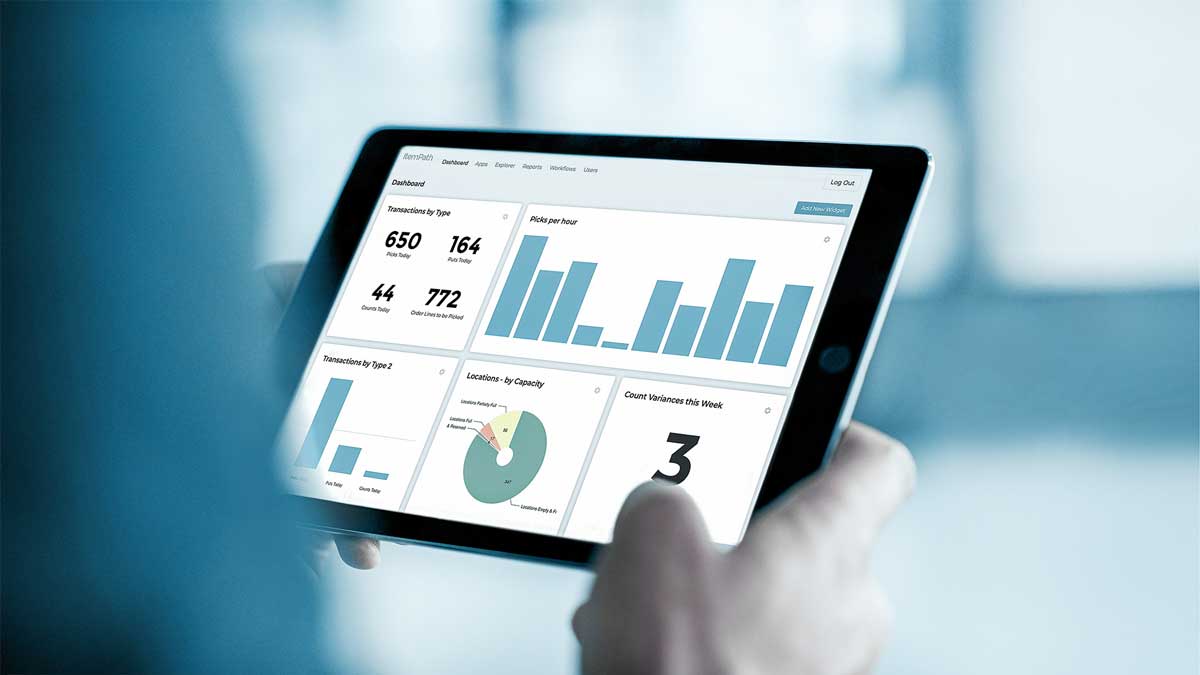
Dashboards and reporting help managers spot exceptions earlier, monitor activity, and improve consistency across shifts. Standard reports help day-to-day operations, and custom reporting can support changing workflows as your warehouse evolves.
What You Get When Tracking Works
The goal is not scanning for its own sake. The goal is to reduce friction, cut mistakes, and keep inventory reliable.
When location controls, mobile workflows, and system alignment work together, warehouses typically see:
-
Faster receiving and putaway
-
More accurate picking
-
Less time wasted searching
-
Higher confidence in inventory for planning and customer service
Talk with Southwest Solutions Group about Warehouse Tracking
If your team is ready to improve location accuracy, reduce inventory errors, and gain clearer visibility across warehouse activity, RFID and barcode warehouse management can be a practical next step.
Talk with Southwest Solutions Group about warehouse tracking and what an implementation could look like for your facility.
