
“Warehouse automation” gets thrown around like it is one giant purchase, a new conveyor, a robotics project, a full rebuild. In reality, the most effective automation programs start smaller and smarter. They start by defining what “good performance” looks like, measuring what is actually happening, then using sensors and tracking to flag problems early so teams can fix them before they turn into delays, overtime, or missed shipments.
Warehouse automation works best when it is treated like a performance system, not a collection of equipment.
What Warehouse Automation Actually Means
At its core, warehouse automation is the process of using tracking technologies, facility sensors, and software to monitor operations in real time and trigger action when performance drifts from expectations. That can include monitoring goods, goods in progress, inventory, and even personnel movement so operations stay aligned with timelines and available resources.
Automation is not only about speed. It is about consistency. When you can see variances as they happen, you can prevent small issues from becoming operational bottlenecks.
The Most Common Automation Mistake
The most common mistake is automating motion before you automate visibility.
Warehouses often jump straight to equipment decisions without first defining the performance metrics that matter most or building a clean way to compare expected performance vs actual performance. When that happens, automation may add capacity, but it does not eliminate root causes. You end up with faster ways to move problems downstream.
A better approach is to start by measuring the operation, identifying where performance deviates from standards, then using automation to detect, alert, and correct those weak points.
Start With Visibility Before You Add Equipment
Automation begins with measurement. If you cannot measure it, you cannot improve it.
The most practical starting point is using sensors and tracking to create real-time analytics and  predictable decision-making around how your warehouse is performing. That includes monitoring key operational signals such as throughput, cycle time, bottlenecks, and facility conditions that can quietly slow things down.
A useful “visibility first” automation setup typically includes:
-
Software that measures forecasted performance vs actual performance against defined metrics
-
Real-time monitoring that identifies bottlenecks immediately, not at the end of the shift
-
Sensors connected to a local or cloud database so leaders can manage production and facility data in real time
Once you have that foundation, equipment decisions become easier because you are solving the right problem.
Where Automation Delivers The Fastest Wins
Automation delivers the fastest wins in areas where delays are frequent, costly, and hard to diagnose quickly. This usually shows up in predictable places, especially in operations that run multiple shifts or rely on tight production schedules.
Here are a few high-impact automation targets that tend to produce clear results early:
1. Throughput Variance Detection
If you have throughput standards, the fastest win is alerting when you fall outside those standards. That might be a specific line rate, a conveyor pace, a pick module output, or a packing station target. The key is having the system detect variance in real time so you can respond while it still matters.
2. Bottleneck Identification
Bottlenecks are not always where people think they are. Real-time monitoring helps you spot the true constraint as it develops so supervisors can redirect labor, adjust priorities, or address the cause before it ripples across the operation.
3. Facility Condition Monitoring
Warehouse performance is not only labor and layout. Temperature, humidity, water, and energy conditions can affect equipment reliability, product quality, and operational cost. Facility sensors help keep conditions stable and highlight inefficiencies that reduce performance.
4. Tracking Goods and Inventory Flow
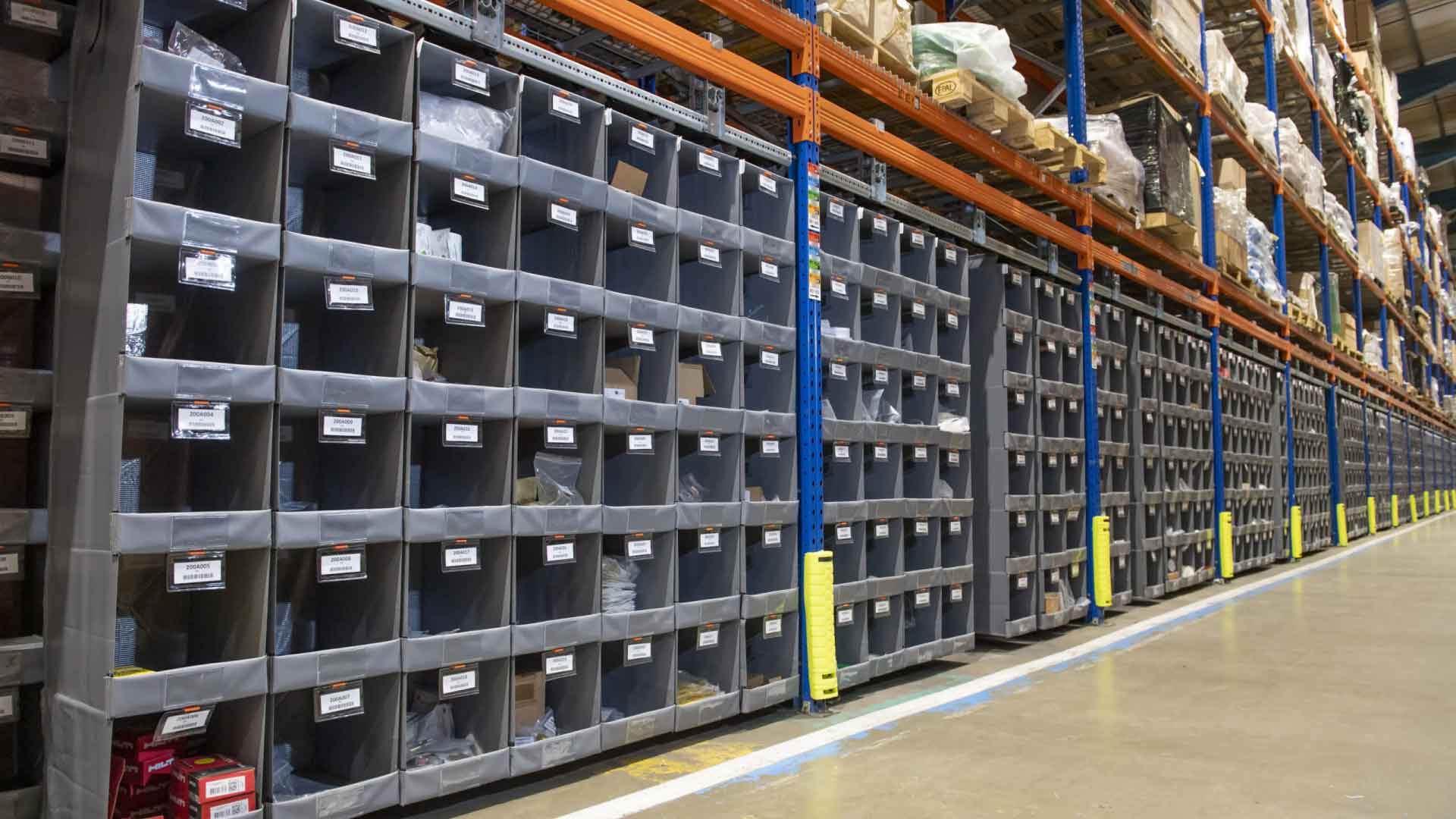
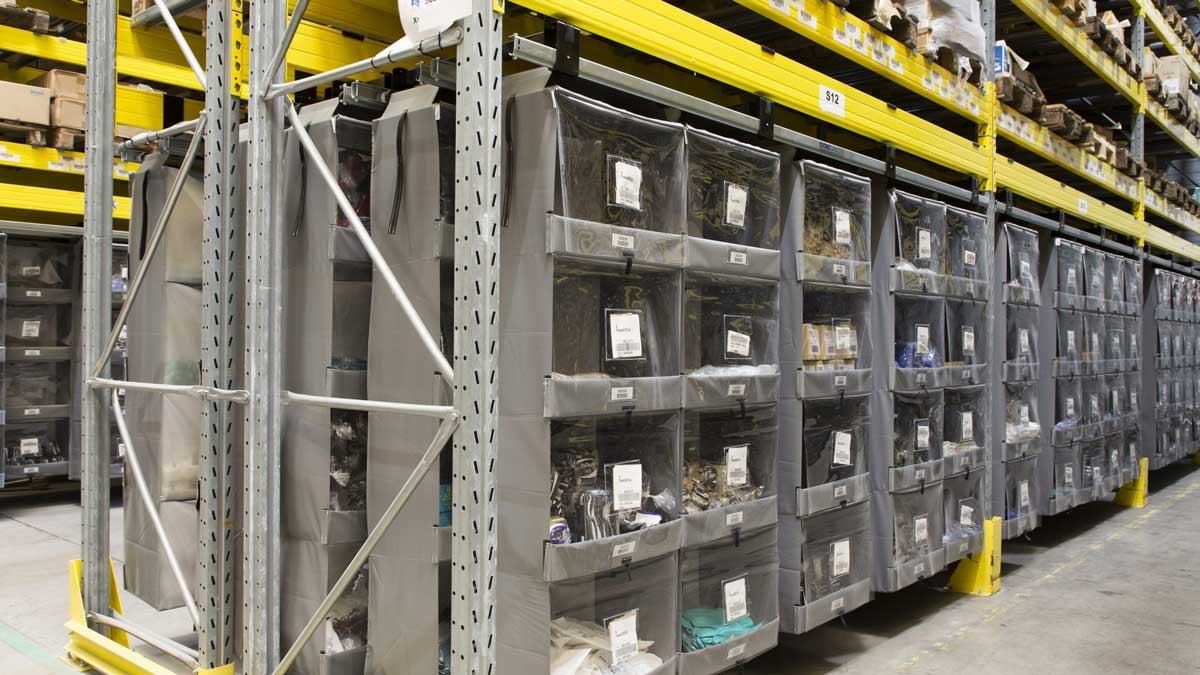
Tracking goods, goods in progress, and inventory movement helps keep operations aligned with timelines and available materials. When the system knows what is available and where flow is slowing, planners and supervisors can make better decisions faster.
Real-Time Alerts That Prevent Bottlenecks
Real automation value shows up when the system stops being a dashboard you look at later and becomes a tool that prompts action now.
In a strong automation setup, variances from expected standards trigger alerts that tell the team something needs attention. These alerts can be driven by barcode and radio wave detectors that automatically track movement and flag when production objectives are not being met.
The difference is timing. If you discover the problem after the shift ends, it is a report. If you discover it while it is happening, it is automation.
A good alerting system is not noisy. It is specific. It focuses on the few metrics that truly matter and ties alerts to the operational response, not just the data.
Automation That Connects To Your Systems
Warehouse automation becomes far more useful when it does not live in a separate bubble.
When tracking data and sensor data integrate with backend ERP and database systems, automation supports seamless data interchange across the business. That integration can also support practical workflows like generating the data needed to print product labels and disposition documents like bills of lading.
This is where automation stops being an operations-only project and starts improving customer service outcomes. When product data, labeling, and tracking stay aligned, customers receive more accurate information, and your team spends less time correcting paperwork, resolving disputes, or reworking shipments.
Labeling, Tagging, And Customer-Facing Verification
Automation is not only what happens inside your
building. It can also shape how customers experience your operation.
A connected automation approach can support in-line and off-line labeling systems with extensive labeling capabilities, including branding labels, 1D barcodes, QR codes, and RFID recognition tags. When labels and tags identify products clearly, customers can scan codes to verify products and interact through linked resources tied to the product tag.
That creates a direct line from warehouse execution to customer confidence, which is often the difference between a smooth relationship and constant follow-up calls.
A Simple Starting Point For Your Facility
If you want a clean way to begin without overcomplicating it, start here:
-
Define the few performance metrics that truly matter to your operation
-
Monitor expected vs actual performance in real time
-
Identify where bottlenecks occur and what conditions drive them
-
Add alerts when throughput falls outside expected standards
-
Use the data to guide where equipment automation will actually pay off
This approach keeps automation focused on outcomes, not hardware for the sake of hardware.
Talk With Southwest Solutions Group About Warehouse Automation
Warehouse automation should help you meet performance metrics, respond faster when issues appear, and improve consistency across shifts. If you want to build a practical roadmap using real-time sensors, tracking technologies, and performance monitoring, Southwest Solutions Group can help you define the right metrics, connect the right data, and implement a system that supports real operational improvement.
Contact Southwest Solutions Group at 800-803-1083.