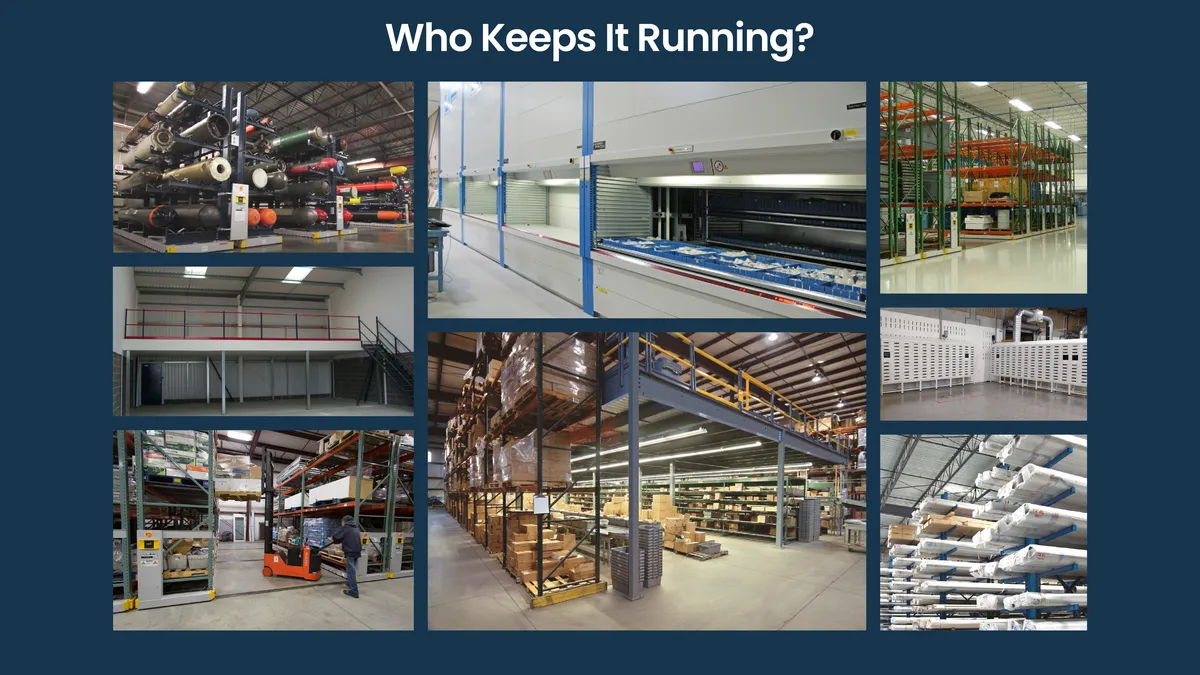
Stop Buying Storage
You're not just buying equipment. You're choosing who stands behind it.
Yes, we're a storage solutions company telling you to stop buying storage. But for good reason.
Consider how organizations approach a storage project. They request proposals, compare specifications, review pricing, and select a supplier. The conversation often revolves around the equipment, while installation and support receive less attention.
There's nothing wrong with comparing products. The problem begins when the product becomes the only thing being evaluated.
Two companies can offer similar storage systems but deliver very different experiences. The planning, installation, and support behind the equipment can be just as important as the equipment itself.
The Product Is Only Part of the Purchase
Equipment specifications tell you about dimensions, capacity, materials, and features. They help determine whether a product meets your requirements.
What they don't necessarily tell you is how that equipment will be installed and supported.
Consider two proposals for comparable systems. One supplier provides the equipment, while the other also coordinates installation, manages the project, and offers ongoing service.
The products may be similar. The responsibilities each company assumes are not.
Purchasing equipment and successfully implementing it are different things. Even the right product can create challenges when installation schedules, site coordination, or technical support aren't properly addressed.
A complete evaluation should consider everything required to make that equipment a functioning part of the facility.
A Good Product Still Needs a Good Installation
Installation is often treated as the final step of a storage project. In reality, it's one of the most important.
Depending on the equipment, installation may involve floor conditions, anchoring, electrical connections, safety requirements, and coordination with other contractors.
For an active facility, the operation doesn't necessarily stop because new equipment is arriving. Deliveries must be coordinated, work areas prepared, and employees may still need access to essential materials.
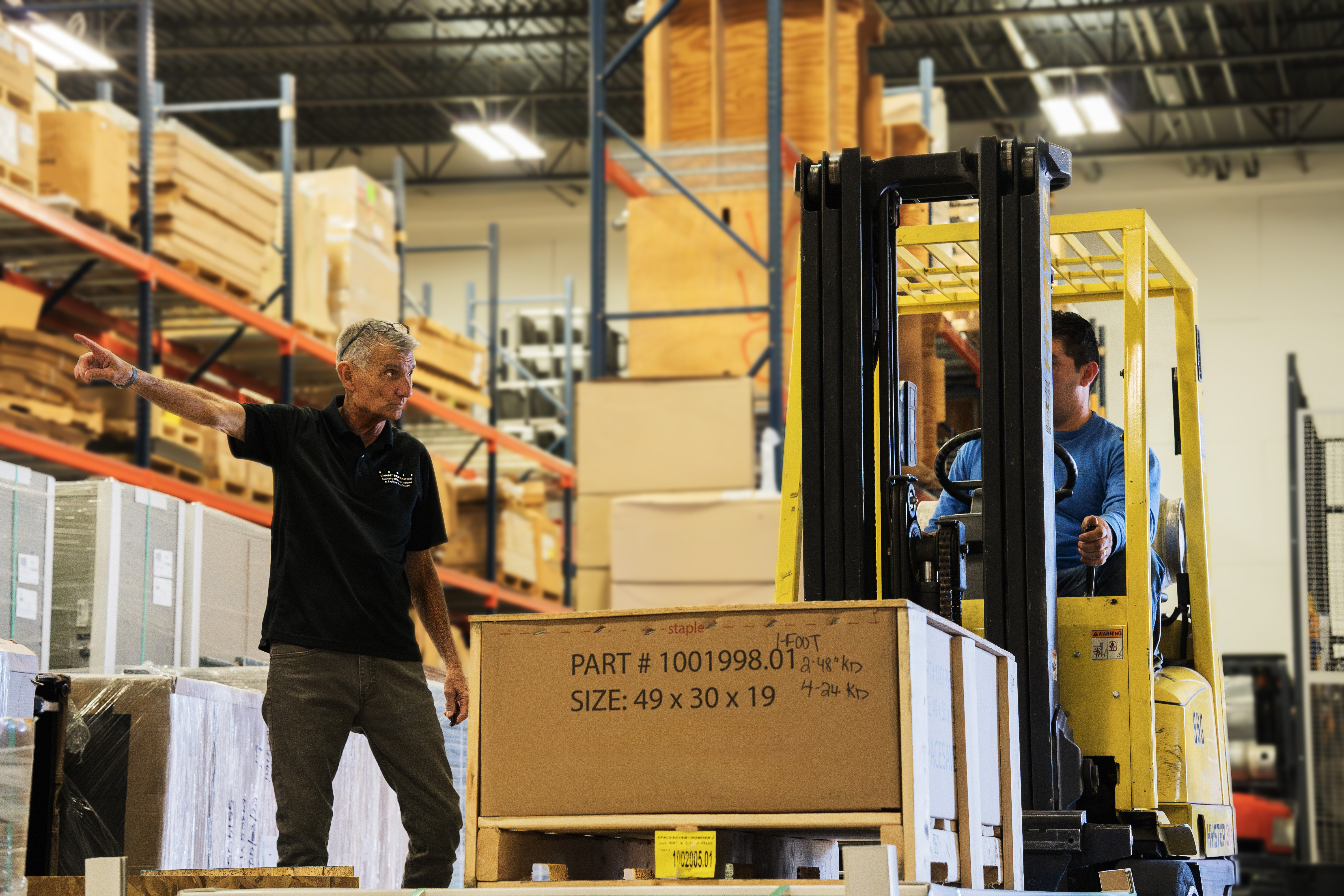
These details aren't always prominent on an equipment quote, but they can influence the entire project.
An experienced installation team understands that the job involves more than assembling equipment. It requires communication, coordination, and an understanding of the surrounding operation.
The Handoff Problem
A manufacturer produces the system. A distributor sells it. Another contractor handles installation. A separate company may provide service.
This arrangement can work when responsibilities are clear. When they aren't, the customer can end up coordinating between multiple parties to resolve a single issue.
Imagine an installation doesn't go as expected. Is the problem with the equipment, the specifications, or the installation? Who investigates? Who coordinates the next step?
The customer shouldn't have to become the middleman just to determine who's responsible.
Clear accountability gives customers a defined point of contact and a better understanding of how problems will be addressed. But accountability isn't just something a provider should promise. It's something customers should be able to recognize in their experience.
Before selecting a provider, look beyond the proposal. Customer reviews can reveal how well a company communicates, coordinates installations, handles challenges, and follows through on its commitments.
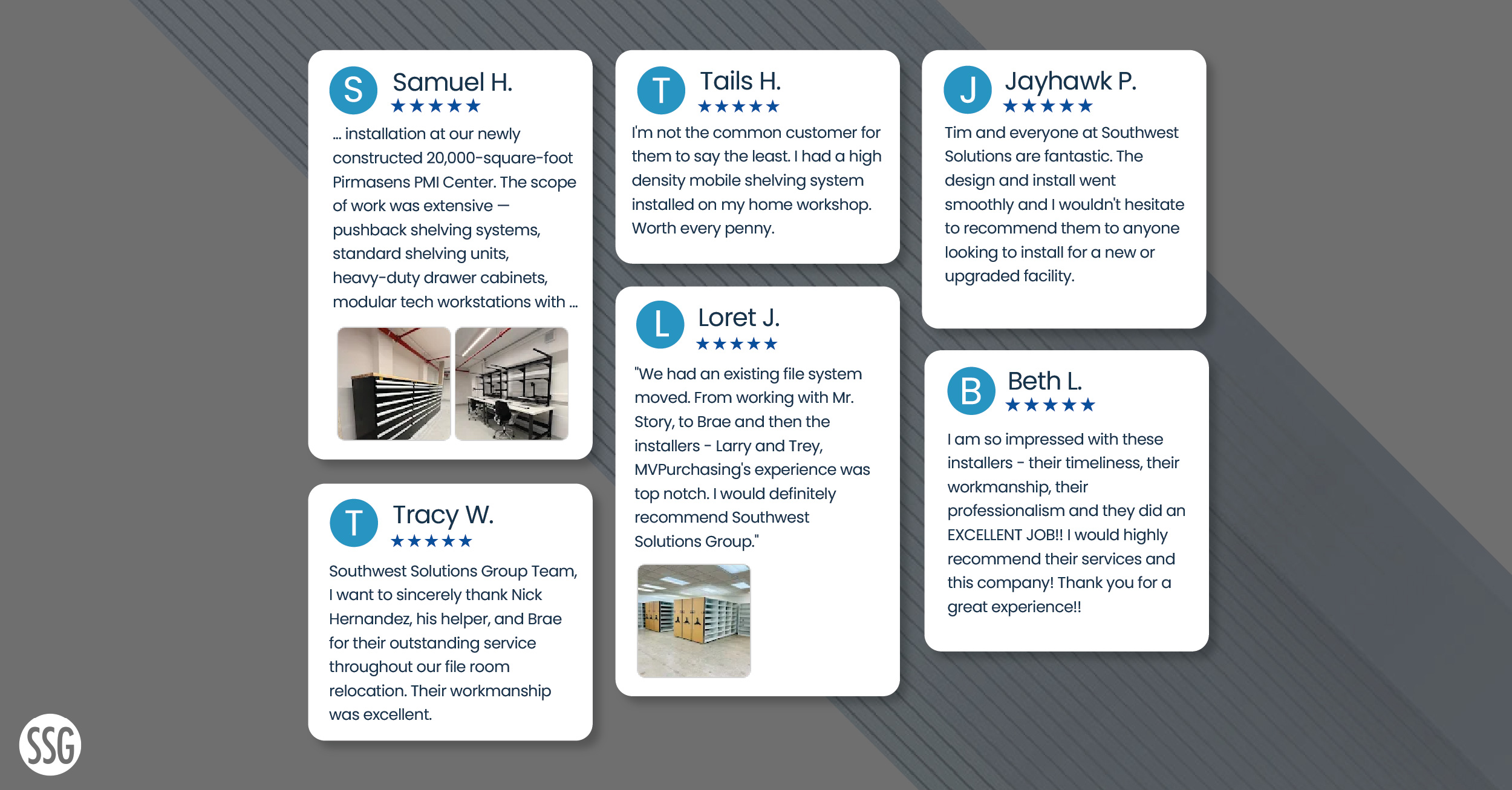
For SSG, those experiences are reflected in feedback about our installation teams, workmanship, professionalism, and project coordination.
The People Behind the Equipment
Once equipment becomes part of daily operations, ongoing maintenance, repairs, and technical support may be necessary, especially for mechanical and automated systems.
Installation shouldn't be the last time a customer knows who to call.
At Southwest Solutions Group, our team supports customers through design, installation, and ongoing service. We also offer structured service agreements for Vertical Lift Modules and mobile shelving, with options for preventive maintenance, repair labor, replacement parts, and technical assistance.
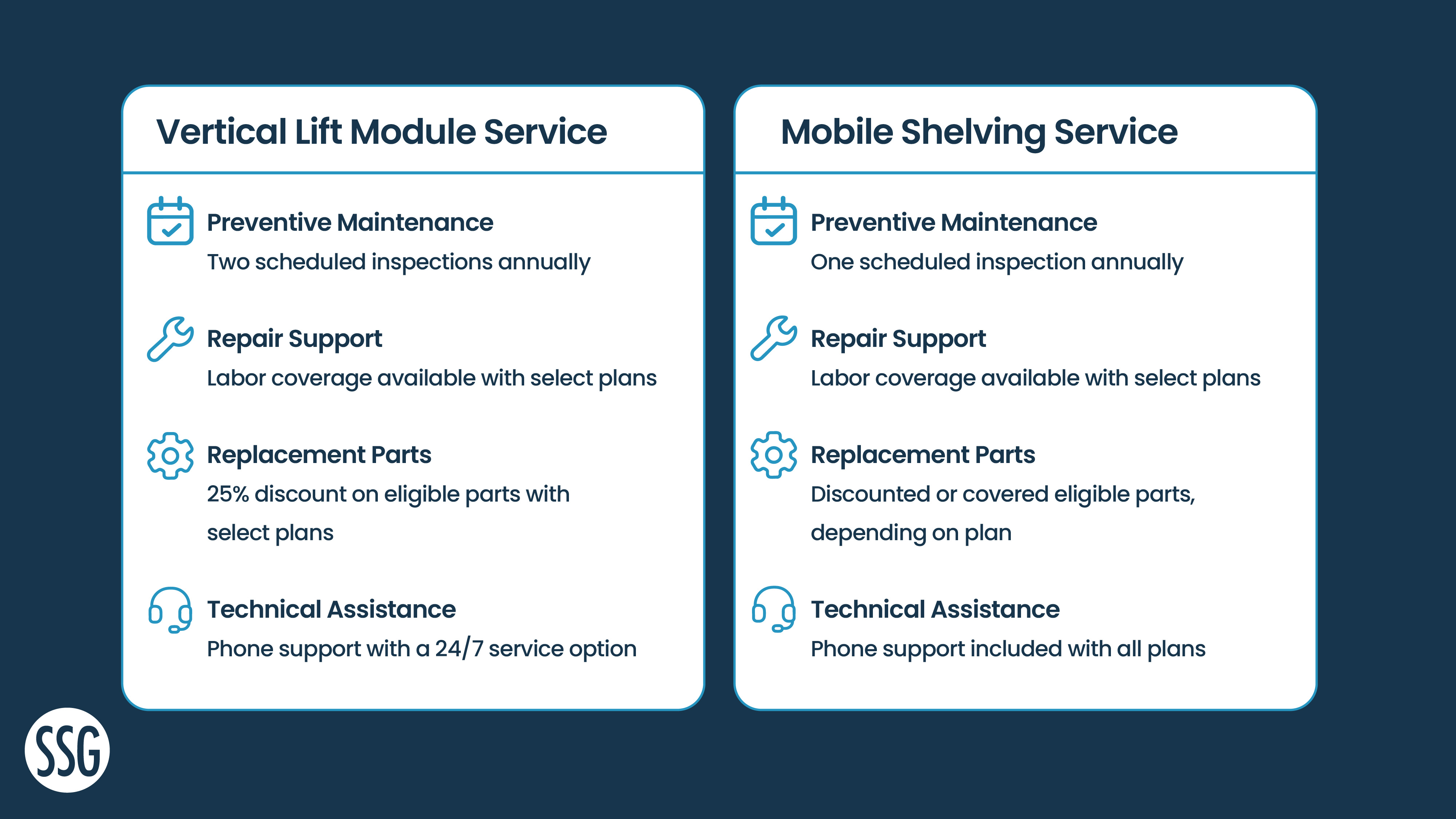
For facility managers and operations leaders, having knowledgeable technicians and clearly defined support options makes equipment ownership easier to manage. It's another reason to evaluate the people behind the product, not just the specifications.
Start Asking Better Questions
The next time you're reviewing proposals for a storage project, don't stop at comparing dimensions, capacities, features, and prices.
Ask who will manage the installation. Find out how the provider coordinates with your facility team. Understand what support is available after the project is finished and who will be responsible if something needs attention.
Most importantly, look at the entire experience the company is offering.
A good storage provider should be able to explain not only what they're selling, but also how they intend to make the project successful.
Planning a storage project? Southwest Solutions Group helps organizations plan, implement, and support storage systems with a team that remains involved beyond the initial purchase.
